The Best Turkish Foods Everyone Should Try at Least Once
When you think of Turkish foods, what comes to mind? For many, it’s rich layers of baklava, savory döner kebab, or a hearty morning menemen. But the truth is that Turkish foods cover an incredible variety of flavors, textures, and regional specialties that go far beyond the classics. From the bustling streets of Alanya to hidden corners in Anatolia, Turkish foods offer a window into the heart of Turkish food culture, combining centuries of Ottoman cuisine, local traditions, and modern twists. When wandering these places, you’ll notice how food plays the same role it does when exploring the vibrant Alanya food markets.
One of the most striking aspects of Turkish foods is the diversity. The country’s geography creates a range of culinary experiences. Coastal areas like Alanya favor fresh seafood and light meze dishes, while inland regions offer rich, hearty Anatolian dishes perfect for sharing with family. No matter where you go, every meal reflects the care, history, and flavor that make Turkish foods unforgettable.
Why Turkish Foods Are Worth Trying
Traditional Turkish dishes often tell stories of families, communities, and centuries-old recipes. Each plate connects you to Turkish culinary traditions, showing the creativity and resourcefulness of local cooks, something you also feel when embracing Turkish home-cooking and daily life. Famous Turkish foods like lahmacun or gözleme are not just meals, they are experiences of everyday life in Türkiye. Sampling popular Turkish meals is a way to taste both history and culture.
One of the most delightful things about Turkish foods is the balance between simplicity and richness. Must-try Turkish food includes dishes that can be found in street markets and fine dining alike. Every dish, from dolma stuffed with fragrant herbs to mantı, tiny dumplings with yogurt, reflects the essence of authentic Turkish cuisine. And while many tourists focus on baklava, the less famous regional specialties, like sarma or çiğ köfte, are equally rewarding.
Classic Turkish Breakfast Dishes You Can’t Miss
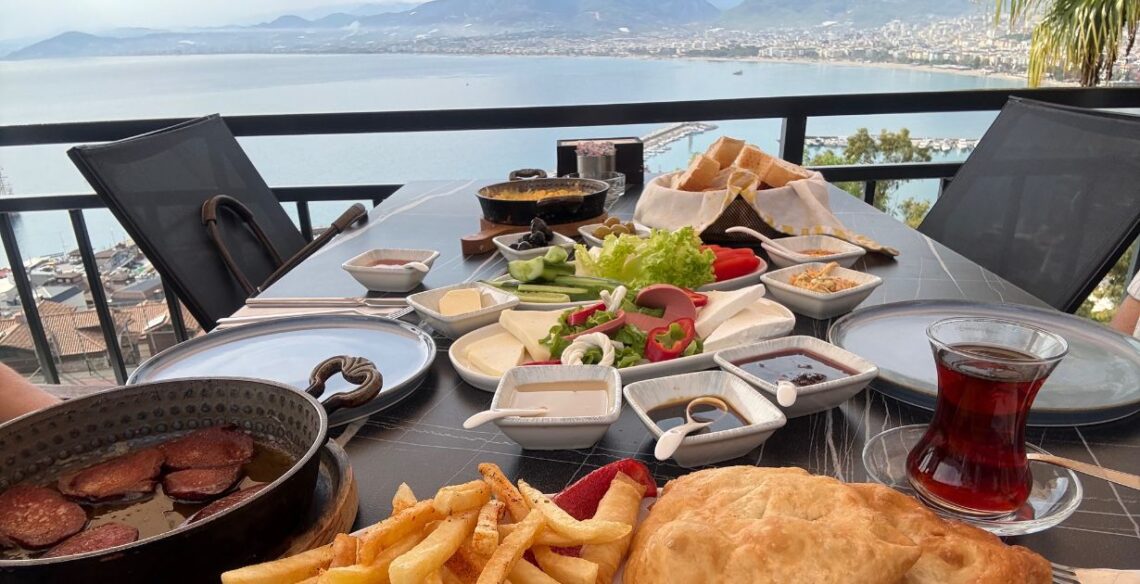
No visit to Alanya or any Turkish town is complete without indulging in Turkish breakfast dishes. Morning meals here are not rushed, they are celebrations of fresh ingredients, simple preparation, and hearty flavors. Menemen, a scrambled egg dish with tomatoes and peppers, is a breakfast staple that perfectly represents the warmth of Turkish comfort food. Pair it with Turkish tea and a side of pide or pişi, and you have a breakfast that feels like a small feast.
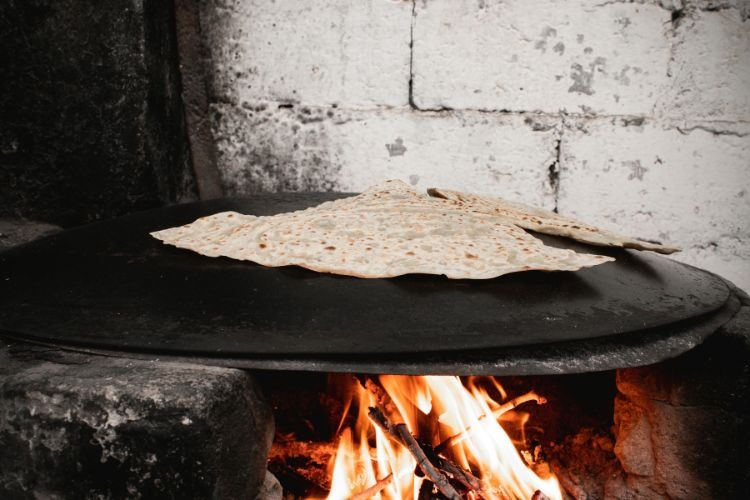
Gözleme, a savory pastry filled with spinach, cheese, or minced meat, is a favorite among locals and tourists alike. Lahmacun, sometimes called Turkish pizza, offers similar comfort with a slightly different texture and shape. Together, they provide a glimpse into Turkish home-cooking and the regional variations that make Turkish foods so unique.
Morning drinks are just as important. A cup of strong Turkish coffee awakens your senses, while Turkish tea invites long conversations. These drinks aren’t just beveragesö they are part of the Turkish food culture, accompanying every meal and reflecting the hospitality and rhythm of daily life.
Must-Try Street Food and Popular Turkish Meals
When wandering the streets of Alanya or exploring a local market, Turkish street food is impossible to ignore. Quick bites like döner kebab or lahmacun satisfy hunger while giving insight into regional Turkish cuisine. Vendors prepare popular Turkish meals fresh daily, and the flavors are unmatched, rich, well-seasoned, and perfect for enjoying on the go.
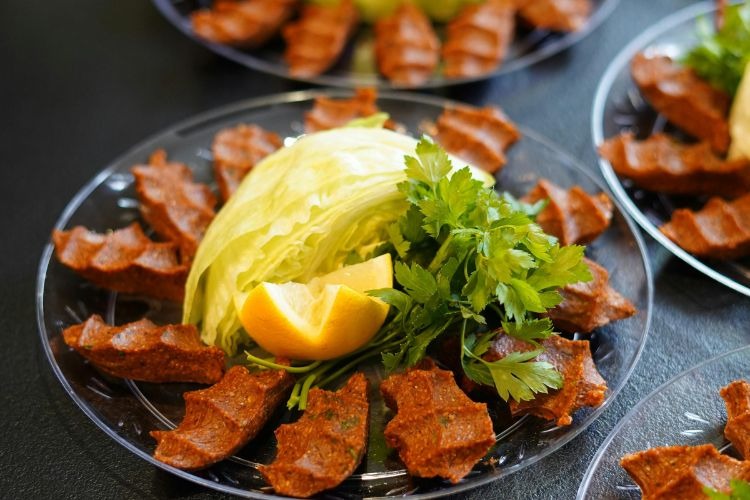
Street foods offer a chance to try must-try Turkish food without the formality of a restaurant. From sarma leaves wrapped with rice and herbs to çiğ köfte, a spicy bulgur-based dish, every bite connects you to the centuries of Turkish culinary traditions that survive in kitchens and stalls across the country. just like the flavors you’ll find when trying regional Turkish dishes on your travels.
Sweet Treats and Turkish Desserts
No exploration of Turkish foods is complete without indulging in Turkish desserts. These sweets are more than just sugar, they are reflections of Ottoman cuisine and centuries of culinary artistry. Baklava, with its layers of crisp pastry, nuts, and syrup, is perhaps the most famous iconic Turkish food, but it is far from the only treat worth tasting. For a slightly different texture and flavor, künefe, a cheese-filled dessert soaked in sweet syrup, offers a combination of richness and warmth that lingers in your memory.
Simple yet elegant, kaymak and honey is another sweet Turkish specialty. This dish combines creamy, clotted cream with the natural sweetness of local honey, offering a delicate flavor that embodies authentic Turkish cuisine in its simplest form. Many locals enjoy this dish for breakfast or dessert, showing how Turkish comfort food can be both refined and approachable.
While desserts are often associated with indulgence, they also reflect the local ingredients and traditions of regional Turkish cuisine. Visiting a market, you’ll notice small shops offering homemade versions of baklava, künefe, and sarma desserts, giving tourists and locals alike a taste of Turkish home-cooking and its emphasis on quality ingredients and preparation.

Traditional Dishes and Regional Specialties
Beyond breakfasts and sweets, traditional Turkish dishes are where the depth of Turkish food culture truly shines. Sarma and dolma, grape leaves or vegetables stuffed with rice, herbs, and occasionally meat, are perfect examples of must-try Turkish food rooted in family traditions. These dishes highlight regional Turkish cuisine, with variations found across Anatolia and coastal regions like Alanya.
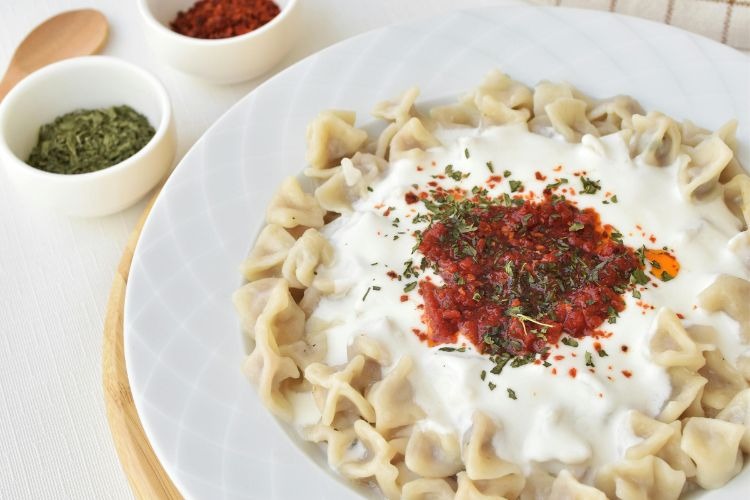
Hearty and savory, mantı, tiny dumplings filled with spiced meat and topped with yogurt and tomato sauce, is a dish that combines elegance with Turkish comfort food. Similarly, içli köfte, a bulgur shell filled with minced meat and nuts, and çiğ köfte, traditionally raw bulgur mixed with spices, offer insight into popular Turkish meals that have been passed down for generations. Trying these dishes is a way to connect with the heart of Turkish culinary traditions.
Many of these recipes are deeply tied to the seasons and local ingredients. For example, Anatolian dishes often feature legumes, fresh vegetables, and herbs grown in the fertile regions of Türkiye, emphasizing balance and nutrition. Sampling these meals in local homes or small restaurants gives travelers a firsthand look at Turkish home-cooking and the care invested in each plate.
Turkish Comfort Food and Home-Cooking Favorites
When exploring Turkish foods, one of the most comforting experiences is tasting Turkish comfort food prepared in a home kitchen. Traditional recipes often come from Ottoman cuisine, reflecting centuries of culinary evolution and the blending of cultures across Türkiye. From slow-cooked stews to freshly baked pide, each dish embodies authentic Turkish cuisine and the warmth of shared meals.
Local families in Alanya or other regions often prioritize meals that bring people together. Dishes such as gözleme, sarma, and dolma are not just sustenance, they are a form of social connection and celebration. Trying must-try Turkish food in this context allows visitors to taste the history, care, and creativity behind famous Turkish foods that tourists may see in restaurants but rarely understand fully.
Even the simplest ingredients are transformed into unforgettable meals. A humble menemen, when paired with Turkish tea, becomes a centerpiece of Turkish breakfast dishes, while homemade baklava or künefe demonstrates the artistry behind sweet Turkish specialties. This blend of flavor, tradition, and care is a hallmark of Turkish food culture and a reason travelers continue to fall in love with Turkish foods.
Tips for Enjoying Authentic Turkish Cuisine
To fully appreciate Turkish foods, it helps to know a few insider tips. Start by sampling what to eat in Turkey in local markets, street stalls, and small restaurants rather than relying solely on tourist-oriented venues. Look for dishes prepared fresh, such as döner kebab, lahmacun, and meze dishes, which often highlight the skill and creativity of the cooks.
Understanding regional differences is also key. Coastal areas like Alanya feature lighter Turkish street food and seafood-focused regional Turkish cuisine, while inland regions emphasize Anatolian dishes and savory Turkish dishes that reflect the agricultural abundance of the area. Trying Turkish home-cooking when possible, either through cooking classes or family-style meals, provides an unparalleled glimpse into Turkish culinary traditions.
Finally, don’t underestimate the role of drinks. Sipping Turkish tea or Turkish coffee alongside a meal completes the experience and helps travelers feel connected to the daily rhythms of life in Türkiye. These beverages are more than refreshments, they are integral to Turkish food culture and hospitality.
Iconic Ingredients Behind Turkish Foods
Understanding the ingredients helps you appreciate the depth of Turkish foods. Olive oil, fresh herbs, tomatoes, eggplants, and yogurt are staples in traditional Turkish dishes, contributing to both taste and nutrition. Nuts like pistachios and walnuts play a starring role in sweet Turkish specialties, while spices such as sumac and paprika enrich savory Turkish dishes.
Even simple dishes like menemen rely on quality, fresh ingredients to achieve the authentic flavor that has made popular Turkish meals beloved by locals and visitors alike. Similarly, desserts like künefe or baklava highlight the balance between sweetness and texture, combining Turkish culinary traditions with centuries of know-how.
Seasonal Turkish Foods
Many traditional Turkish dishes and Turkish desserts are seasonal. Fresh vegetables, seafood, and herbs appear in regional Turkish cuisine, reflecting the rhythms of life in Türkiye. Summer brings lighter Turkish breakfast dishes and fresh meze dishes, while winter favors hearty Anatolian dishes, sarma, dolma, and slow-cooked stews. Paying attention to the season ensures you taste authentic Turkish cuisine at its peak, with ingredients at their freshest.
Street Food and Casual Dining
Turkish street food deserves its own spotlight. Cities like Alanya are filled with vendors offering popular Turkish meals such as döner kebab, lahmacun, and gözleme. Street food gives travelers a taste of Turkish comfort food without the formality of a restaurant and often comes with stories about the recipes passed down through generations.
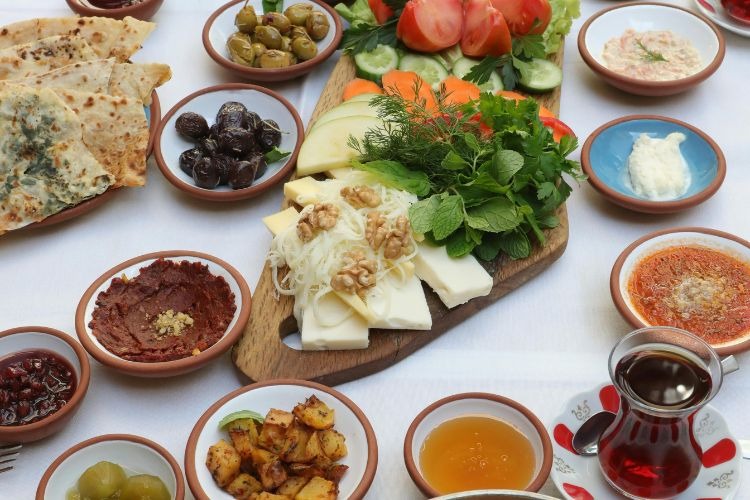
Meze dishes are another staple of casual dining. These small plates, often featuring fresh vegetables, cheeses, or seafood, allow visitors to sample a variety of flavors in one meal. They reflect Turkish food culture and the social aspect of dining, where sharing and conversation are just as important as the food itself.
Practical Tips for Travelers
When sampling Turkish foods, keep these tips in mind:
- Follow locals: Restaurants and food stalls frequented by locals are often more authentic than those aimed at tourists.
- Try regional specialties: Each area in Türkiye has unique dishes, from coastal meze dishes to hearty Anatolian dishes.
- Sample a variety: Don’t just stick to the classics. Include çig köfte, dolma, and kaymak and honey.
- Learn a few phrases: Asking for recommendations in Turkish often leads to hidden gems not listed in guidebooks.
These small steps allow you to engage with Turkish food culture and enjoy authentic Turkish cuisine in a meaningful way.
A Tasty Final Note
Trying Turkish foods is more than just eating; it is engaging with Turkish food culture, Turkish culinary traditions, and centuries of Ottoman cuisine. From hearty Anatolian dishes and savory Turkish dishes to sweet Turkish specialties, Turkish breakfast dishes, and meze dishes, each meal tells a story. Whether in bustling Alanya streets, coastal markets, or a local home kitchen, every bite introduces new flavors, textures, and experiences.
By exploring famous Turkish foods, popular Turkish meals, and hidden gems like içli köfte or çig köfte, travelers can experience authentic Turkish cuisine in its full richness. Pairing these dishes with Turkish tea or Turkish coffee, and learning about regional Turkish cuisine, transforms every meal into a journey through the heart of Türkiye.
For anyone curious about what to eat in Turkey, there is no shortage of memorable meals. Must-try Turkish food is everywhere, from local markets and street food stalls to traditional family kitchens. Take the time to savor, ask questions, and enjoy the flavors that make Turkish foods unforgettable.

