Why Alanya Is So Much More Than a Beach Town
There’s a moment that happens to almost everyone who visits Alanya for the first time. You step out of your hotel, the sunlight hits your face, and you think ah, this is what holidays should feel like. The sea glitters, the air smells faintly of salt and sunscreen, and the sound of someone laughing near the pool reminds you that life can be this simple.
But after a few days of beach towels and buffet dinners, something interesting happens. You start to wonder what lies beyond the waves. You’ve seen the postcard version of Alanya, the beaches, the boats, the bright parasols, but the real story begins when you wander away from the shore.
A City With Layers of Time
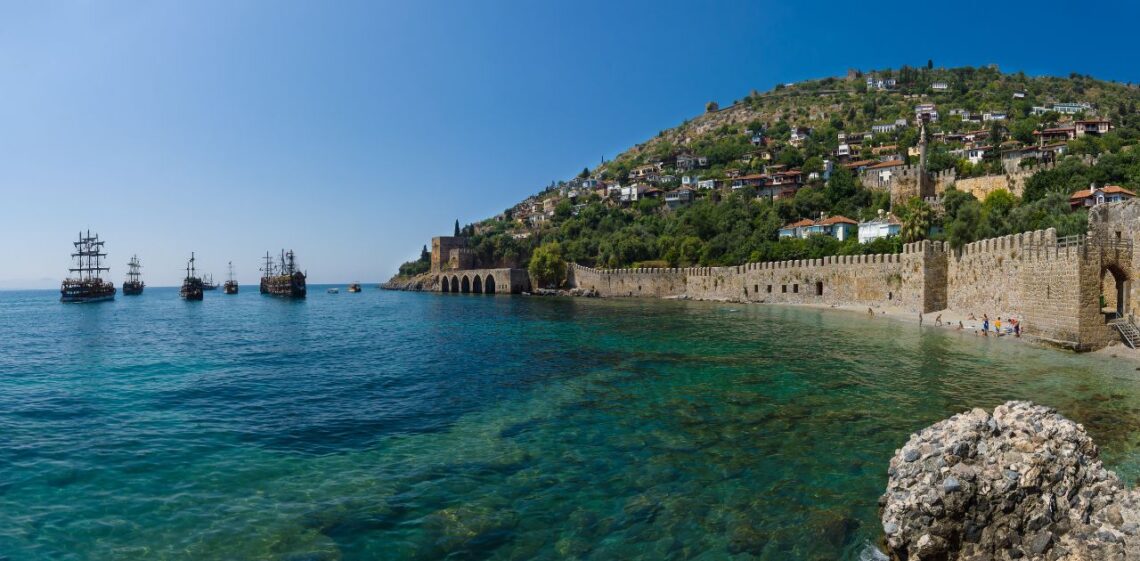
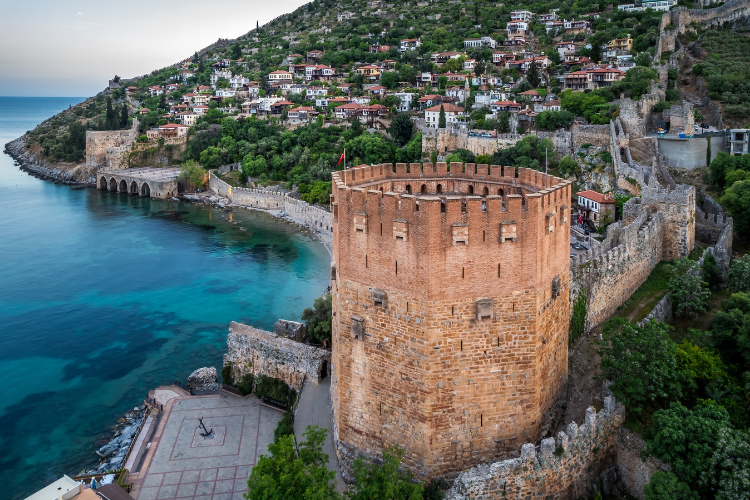
Alanya isn’t new to the idea of guests. Long before sun loungers appeared, this stretch of coast was already attracting people from faraway lands. The giant castle that sits high on the hill still keeps an eye on the town, as it has for almost eight centuries. Walk up there, or take the cable car if your sandals aren’t built for climbing, and you’ll pass stone walls that once guarded sultans and sailors.
From the top, the sea looks endless, and the red tiles of the old town below seem to glow in the afternoon light. It’s easy to imagine how it must have looked when traders arrived from Egypt or Cyprus, their ships filled with spices and silk. The Red Tower, or Kızıl Kule, is still standing proudly at the harbor, quietly reminding everyone that Alanya’s story began long before the age of beach clubs.
Down below, in the narrow streets of the old town, life slows down. Small cafés hide behind ivy-covered walls, and locals sip tea while watching the world go by. If you take a seat, they’ll probably smile at you and pour a glass of strong Turkish tea without asking what you’d like. That’s the kind of hospitality Alanya is known for, warm, unhurried, and genuinely curious about who you are.
Beyond the Beach
When you’ve had your fill of sea air, the hills behind Alanya call for a different kind of adventure, the quiet kind. A short drive inland brings you to the Dimçay River, a favorite spot for locals who want to escape the heat. Wooden platforms float gently on the water, and families spend their Sundays there, feet dangling in the icy stream, laughter echoing between the cliffs.
It’s not fancy, but it’s real. Someone will serve grilled trout or gözleme, thin pancakes filled with spinach or cheese, and the smell alone might convince you to stay all afternoon. The shade of the trees, the cool breeze from the river, the rhythm of the water against the rocks, it’s a side of Alanya that most beach visitors never see.
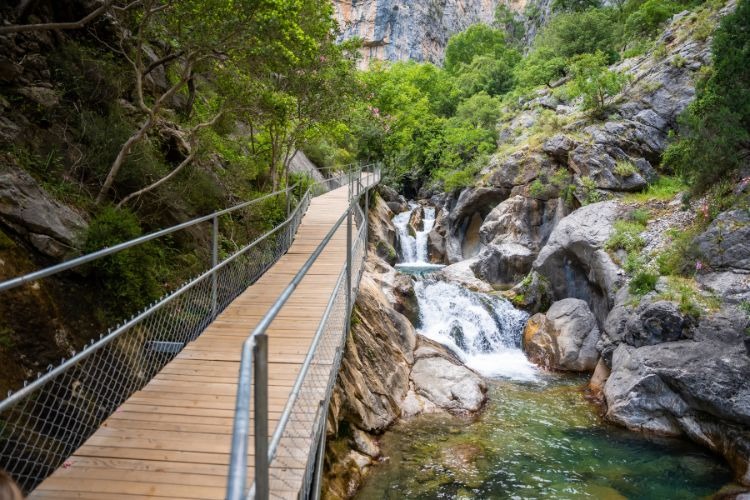
If you go a little further, the road starts to twist between the mountains, and the air becomes cooler. Here lies Sapadere Canyon, another local favorite. It’s a narrow gorge with wooden walkways leading past waterfalls and mossy rocks, the kind of place that makes you breathe deeper. On summer days, brave souls jump into the icy pools, just to prove they can. Even if you don’t, standing there, surrounded by sheer cliffs and the sound of rushing water, is enough to make you feel small in the best possible way.
The Everyday Charm
Back in town, the best moments often happen when you’re not looking for them. Maybe it’s the smell of simit (Turkish sesame bread rings) early in the morning, or the sound of fishermen returning to the harbor. Maybe it’s the old man who sells pomegranates from his truck and insists you try one, “just to taste.”
Markets in Alanya are full of these small details, piles of shiny aubergines, bunches of mint still wet from the fields, and shopkeepers calling out prices with a mix of pride and performance. Tourists often go to take pictures, but if you stay long enough, you start to feel the rhythm of local life underneath all the color.
The truth is, Alanya’s magic isn’t in any single sight or attraction. It’s in the way the old and the new live side by side. The castle walls still stand, but they watch over beach bars and scooters now. The fishermen still head out before dawn, but tourists wave at them from yachts. And somewhere between those two worlds, Alanya manages to stay both timeless and alive.
Taste Alanya: A Journey Through Local Flavors
If there’s one thing Alanya never takes lightly, it’s food. Meals here are more than just eating; they’re small celebrations of daily life. From seaside restaurants to family-run kitchens hidden in the backstreets, every plate seems to tell a story.
Start with breakfast, or kahvaltı, as the locals say. It’s not a quick bite before heading out; it’s a slow ritual of tea, olives, cheeses, honey, and warm bread. Sitting on a terrace with the smell of the sea in the air and a spread that looks like a painter’s palette, you begin to understand why Turks treat breakfast as something sacred.
Later in the day, you might find yourself walking through the market, where vendors call out their best prices with a grin. Tomatoes smell like sunshine, and peaches are soft enough to eat with your hands. Somewhere between the spice stalls and the mounds of dried fruit, you’ll likely be offered a taste of lokum, that soft, sugary Turkish delight that seems to melt before you even chew.
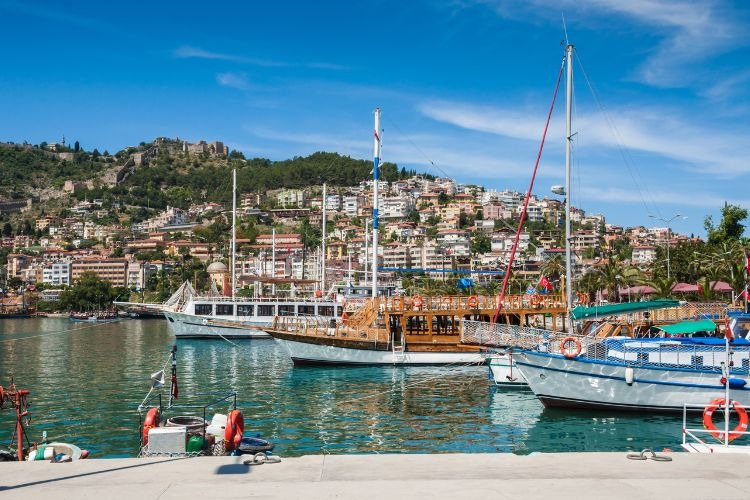
When the sun starts to dip, restaurants near the harbor come to life. Plates of grilled fish, fresh from the morning catch, arrive at tables glowing in candlelight. Locals order rakı, the anise-flavored drink that turns milky white when mixed with water, and the sound of clinking glasses fills the air. There’s laughter, the gentle crash of waves, and maybe someone playing a saz, a long-necked Turkish guitar, in the background.
If you wander a little away from the coast, you’ll find smaller eateries where the menu isn’t printed, it’s spoken. The owner might list what’s cooking that day: lentil soup, stuffed peppers, or mantı, tiny dumplings topped with yogurt and garlic. They’re simple dishes, made from ingredients that have probably traveled less than ten kilometers. Yet somehow, they linger in memory far longer than a fancy restaurant meal.
And of course, no visit is complete without tea. Whether you’re sitting in a mountain village or by the sea, a glass of strong, dark tea will find its way to your table. The shape of the tulip glass, the color of the tea, the way it warms your hands, it all feels like part of a quiet ritual that binds people together. Turks don’t ask if you want tea; they just bring it, because in Türkiye, tea is a symbol of friendship as much as flavor.
The Spirit of Alanya
As the day fades, Alanya shows another side of itself, softer, slower, touched by the glow of streetlights and the hum of evening life. The castle lights flicker on above the town, casting golden reflections over the sea. Down at the harbor, couples stroll along the promenade, children chase balloons, and old fishermen sit together watching the boats. It’s peaceful, but never dull.
This sense of community runs deep. Alanya might welcome people from every corner of the world, but it still feels like a small town at heart. Locals greet each other by name, bakers still deliver bread to doorsteps, and neighbors share food through open windows. It’s this mixture of openness and familiarity that gives Alanya its soul.
Throughout the year, the city celebrates its roots with small but joyful festivals. There’s a cherry festival in the mountain villages, art events near the harbor, and summer evenings filled with open-air concerts. Even if you don’t understand every word, you can feel the warmth in the way people come together, dancing, eating, chatting as if they’ve known each other forever.
And if you ever want a glimpse of everyday Alanya, skip the main streets and head toward the quieter neighborhoods. You’ll find barbers chatting on doorsteps, children playing football in alleys, and grandmothers knitting in front of their houses. The smell of grilled meat mixes with jasmine from nearby gardens. It’s simple, unpolished, and full of life.
Then there’s the call to prayer that drifts gently across the city at dusk. It doesn’t interrupt the evening, it weaves into it. People pause for a moment, take a breath, and then continue their conversations. The sound feels like part of Alanya’s rhythm, the same way the waves do.
For all its hotels and modern touches, Alanya has managed to keep something that many resort towns lose, a sense of belonging. Maybe that’s why visitors keep returning year after year, not just for the sunshine but for the feeling of being part of something warm and genuine, even if only for a week.
Planning Your Trip: How to Explore Alanya Like a Local
Most people arrive in Alanya with a plan that looks something like this: sunbathe, swim, repeat. There’s nothing wrong with that, the beaches here are made for slowing down. But if you want to see what gives Alanya its character, it helps to borrow the rhythm of the locals for a few days.
Start early, before the heat climbs too high. Walk down to the sea while the streets are still quiet. The light is soft, fishermen are heading back with their morning catch, and the smell of bread drifts out from bakeries. Stop for simit and eat it while you watch the boats come in. Morning in Alanya feels unhurried, and if you take the time to watch, you’ll notice the town gently waking up around you.
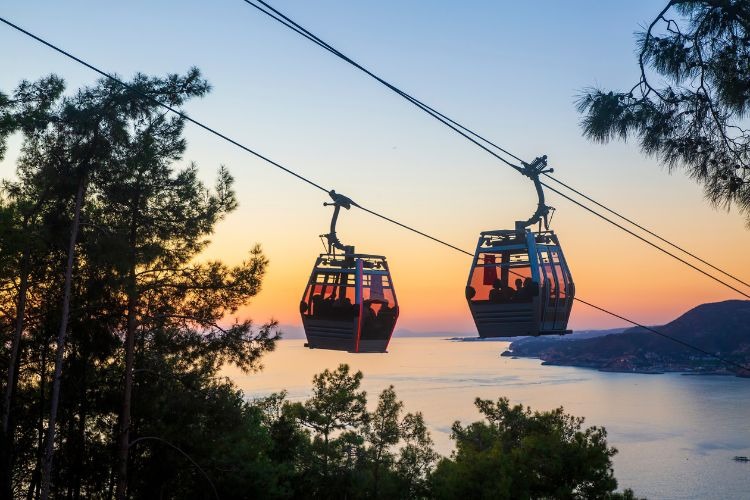
When the sun gets stronger, many locals head uphill toward the shade. The cable car that climbs to Alanya Castle is worth the ride, not just for the view but for the sense of how close the sea and the mountains really are here. From the top, the whole town stretches below, red rooftops, winding streets, and the long curve of Cleopatra Beach in the distance.
If you walk along the old fortress walls, you’ll pass fig trees growing from cracks in the stone and small houses tucked behind centuries-old gates. Some families still live here, their gardens filled with rosemary, lemons, and sleeping cats. It’s a reminder that Alanya isn’t just a destination; it’s home to thousands of people whose daily lives carry on quietly behind the postcard scenes.
Afternoons are made for slowing down. Locals know better than to fight the heat, so they retreat indoors or head for the Dimçay River. If you’ve already been there, you’ll understand why, the air feels cooler, the sound of running water softens everything, and even time seems to stretch a little. Floating platforms on the river double as picnic spots, and it’s perfectly acceptable to spend hours sipping tea and dipping your toes into the cold water.
Evening brings the city back to life. The harbor becomes a soft blur of light and sound, families strolling, shopkeepers arranging souvenirs, the faint hum of music from cafés. If you wander through the backstreets, you might find a small restaurant grilling fish over an open flame, the owner waving you in with a smile that says, “you look hungry.”
Traveling in Alanya doesn’t need a strict plan. The best moments often appear when you let the day unfold naturally. Maybe someone at the market tells you about a viewpoint up in the hills, or you see a sign for a village festival and decide to follow it. That’s how most locals live here, not by checking schedules, but by letting the day take shape on its own.
When to Visit and What to Expect
Alanya is blessed with a long summer that stretches well beyond the calendar. The official season starts in May and lasts until October, but locals will tell you that spring and autumn are the best times to visit. The sea is still warm, the days are lighter, and the crowds thin out just enough to make the town feel like itself again.
During the winter months, life slows down. Many hotels close, but the town doesn’t sleep completely. Markets still buzz with chatter, fishermen still head out at dawn, and locals gather in tea gardens to play backgammon. It’s a different kind of beauty, quieter, but full of everyday color.
For accommodation, there’s something for every traveler: seaside hotels with balconies that face the waves, small pensions in the old town, and cozy apartments tucked into the hills. Wherever you stay, mornings are always bright, and evenings end with the sound of the sea.
Moving around Alanya is easy. The city has a network of small buses called dolmuş, which run from early morning until late at night. They’re cheap, fast, and sometimes slightly chaotic, but they’ll take you almost anywhere. If you prefer a bit more comfort, taxis are easy to find, and private transfers from the airport are simple to arrange.
Still, the best way to understand Alanya is on foot. Walk the narrow streets, pause in front of old doorways, and take detours that lead nowhere in particular. The town rewards curiosity.
Why Alanya Stays With You
Every traveler leaves Alanya with a slightly different story. Some remember the turquoise sea, others the evenings spent under soft lantern light near the harbor. But for most, it’s the small moments that linger, the ones that don’t make it into guidebooks.
It might be the woman at the market who hands you a peach and says “try,” without asking for money. Or the man serving tea who tells you that the best time to swim is before breakfast, when the sea is empty and the air feels cool enough to remind you you’re alive.
Maybe it’s the quiet of the castle at sunset, that pause before the night lights begin to glow, when the sound of the town below fades, and you realize how much history has watched over this same view. You start to feel it too: the weight of time, the softness of the sea breeze, the strange comfort of being somewhere that’s both foreign and familiar.
That’s the real charm of Alanya. It doesn’t need to impress you. It just exists in its own rhythm, inviting you to slow down and notice. The sea is part of that rhythm, yes, but so are the mountains, the tea gardens, and the laughter that echoes down from balconies at night.
If you spend long enough here, you start to see how everything connects. The fishermen who head out before dawn are the same ones whose catch you’ll eat at dinner. The castle walls that once guarded a port now watch over beach umbrellas. The children running through the old town will one day grow up to serve the same tea their grandparents did.
And maybe that’s the reason Alanya stays in people’s hearts. It’s not because it’s perfect, no town ever is, but because it’s real. It has layers, textures, and stories that unfold slowly, the way good memories do.
When your suitcase is packed and you take one last look from your balcony, the sea will be there, just as blue as on your first day. But now you’ll see more than just water. You’ll see a city that has lived through centuries, that still hums with daily life, and that somehow manages to make everyone who visits feel like they belong, even just for a while.
So yes, Alanya is sunshine and sea, but it’s also tea and laughter, history and kindness, mountains and mornings, stone and story. It’s a place that reminds you that sometimes, the best part of a journey isn’t what you see, but how it makes you feel.
Alanya is just one piece of a much larger picture, part of the most beautiful regions in Türkiye that show how varied this country really is.